
On 23 and 24 July 2025, the FDA’s Pharmacy Compounding Advisory Committee (PCAC) convened to review seven peptide-related compounds being considered for potential inclusion on the 503A Bulks List.
After two days of discussion, six of the seven received positive recommendations from the committee. One did not.
For a field that has operated in a regulatory grey area for several years, the meetings represented a significant development.
Here is what was decided, what it means, and what comes next.
It is important to be precise about what these votes were and were not.
The PCAC was not deciding whether these peptides should become FDA-approved medicines.
The committee was considering whether each substance should be recommended for inclusion on the 503A Bulks List, which forms part of the regulatory framework governing substances that may be used in pharmacy compounding under specific conditions in the United States.
A positive vote is an advisory recommendation to the FDA.
It is not FDA approval, and it does not immediately change current compounding rules.
The FDA will consider the committee’s recommendations alongside the wider evidence base before making its final determinations.
The first day of proceedings covered four compounds, with discussions spanning inflammatory conditions, wound healing, metabolic health, and osteoporosis. All four ultimately received positive recommendations.
BPC-157 was reviewed in relation to ulcerative colitis.
The compound, a 15-amino-acid peptide derived from a protein found in gastric juice, has one of the more established preclinical research profiles among the peptides reviewed.
It received a positive recommendation.
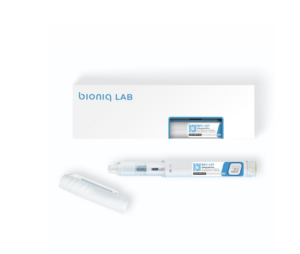
KPV is a tripeptide fragment derived from alpha-MSH (alpha-melanocyte stimulating hormone), reviewed in relation to wound healing and inflammatory conditions.
It received a positive recommendation.
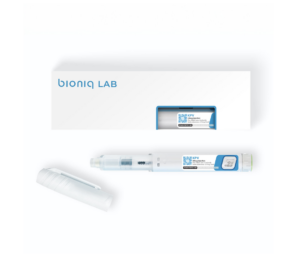
TB-500, a synthetic fragment of thymosin beta-4 studied in relation to wound healing and tissue repair, received a positive recommendation.
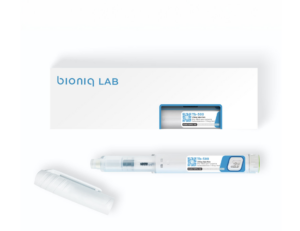
MOTS-c, a mitochondria-derived peptide reviewed in relation to obesity and osteoporosis, received a positive recommendation.
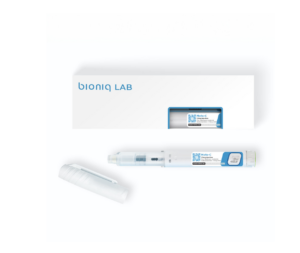
The second day covered three compounds, with more divided results. Two received positive recommendations. One did not.
Emideltide, commonly referred to as DSIP (delta sleep-inducing peptide), did not receive a positive recommendation.
It was the only compound across the two days to fail to secure a majority in favour.
Epitalon, a synthetic tetrapeptide studied in relation to telomerase activity and circadian regulation, received a positive recommendation.
Semax, a synthetic neuropeptide studied in relation to neurotrophic signalling and neuroprotection, received a positive recommendation and the strongest majority of the Day Two compounds
Throughout both days, committee members raised questions across several recurring themes: the strength of available human evidence, safety data, chemical characterisation, product quality, and the standards required for compounded substances.
A second argument also emerged repeatedly across the discussions which was the question of access and oversight.
As one committee member put it during the proceedings, “This is not a vote for or against peptides. It’s a vote for or against safe access”.
The framing reflected a recurring tension in the room between scientific caution and the practical reality that these compounds are already in widespread use, often without the quality controls that regulated compounding would provide.
You can watch the full day 1 meeting here and day 2 here.
None of these peptides have been FDA approved, and nothing changed overnight as a result of these votes.
What has changed is that BPC-157, KPV, TB-500, MOTS-c, Epitalon, and Semax have now received positive recommendations from an FDA advisory committee considering their potential inclusion on the 503A Bulks List.
The FDA will now consider those recommendations alongside the broader evidence base and make its own final determinations.
That process does not operate on a fixed timeline, and the outcome is not guaranteed to mirror the committee’s recommendations. Advisory committee votes inform FDA decisions. They do not determine them.
For an area of research and regulation that has been evolving rapidly, the two days of PCAC review represent a meaningful step in the direction of greater regulatory clarity. We will continue following developments as the FDA process moves forward.
Understanding the regulatory landscape around peptides is one part of navigating this research space. Schedule a one-to-one consultation with one of our peptide specialists who can help you understand the research and what is relevant to your interests.
Schedule your 1:1 consultation today.
The 503A Bulks List is a list of bulk drug substances that may be used by state-licensed pharmacies in pharmacy compounding under Section 503A of the Federal Food, Drug, and Cosmetic Act. Inclusion on this list does not confer FDA approval. It means the substance may be used in compounding under specific regulatory conditions, subject to quality and safety standards.
The Pharmacy Compounding Advisory Committee (PCAC) is an FDA advisory committee that evaluates substances considered for inclusion on the lists that govern pharmacy compounding. Its recommendations are advisory rather than binding. The FDA considers PCAC recommendations as part of its decision-making process but is not required to follow them.
No. A positive PCAC recommendation is an advisory vote, not FDA approval. The FDA will consider the committee’s recommendations alongside the available evidence and make its own final determinations. None of the peptides reviewed have been FDA approved, and the PCAC vote does not change that status.
Emideltide (DSIP) was the only compound across the two days to fail to secure a majority in favour, with 6 votes for and 7 against. The specific reasoning reflected in individual committee members’ votes was not summarised in a single statement, but the broader discussions across both days centred on the strength of available human evidence, safety data, and the standards required for compounded substances.
The PCAC votes do not change current regulations or the status of these compounds overnight. What they represent is a meaningful step toward greater regulatory clarity for a group of compounds that have operated in an ambiguous regulatory environment. The FDA process that follows will ultimately determine what, if anything, changes in terms of compounding rules and access.
The FDA publishes updates on its compounding-related decisions and the status of bulk drug substances through its official website. DN Lab Research will also continue to follow and report on developments in the regulatory landscape as they emerge.
Written by Elizabeth Tito, BSc Genetics, MPH
Elizabeth is a science and medical writer specialising in peptide science, longevity medicine, mitochondrial health, metabolic optimisation and regenerative health research. With a BSc in Genetics and a Master’s in Public Health, she combines a strong scientific foundation with experience translating complex biomedical research into clear, clinically informed education for the Peptide Therapy and longevity medicine space. Her work is centred on interpreting emerging peptide, metabolic and longevity research with scientific accuracy, clinical awareness and a clear understanding of how these therapies are being discussed and applied in modern health optimisation.