
In tissue repair and musculoskeletal peptide research, few compound combinations appear as consistently as BPC-157 and TB-500.
The two are studied individually for well-characterised mechanisms, and they are frequently discussed together because their biological effects overlap and complement each other in ways that make the pairing scientifically coherent rather than random.
BPC-157 or Body Protection Compound-157 is a synthetic 15-amino-acid peptide originally derived from a protein found in human gastric juice.
Preclinical research has examined BPC-157 across a wide range of tissue types, including tendons, ligaments, muscle, nerves, and the gastrointestinal lining.
The mechanisms through which BPC-157 is proposed to act in tissue repair research include the following.
BPC-157 is studied for its effects on vascular endothelial growth factor (VEGF), a protein that stimulates the formation of new blood vessels.
Angiogenesis (the formation of new blood vessels into damaged tissue) is one of the early and essential steps in tissue repair, as it restores the blood supply needed for cellular regeneration.
Research has examined BPC-157’s relationship to fibroblast (the cells responsible for producing collagen and other extracellular matrix components) proliferation and activity, as well as its role in TGF-β signalling, which orchestrates extracellular matrix remodelling.
BPC-157 is studied for its interactions with the eNOS (endothelial nitric oxide synthase) pathway, which plays a role in vascular function and tissue perfusion.
2. Anti-inflammatory signalling
Research has examined BPC-157’s relationship to pro-inflammatory cytokine (signalling proteins that drive inflammation) downregulation, which is relevant to how the body transitions from the acute inflammatory phase of healing toward tissue remodelling.
A 2026 review by Raham et al. cited a case series in which more than 90% of 17 patients reported reduced symptoms following intra-articular BPC-157 injections for tendon and ligament injuries at a minimum 6-month follow-up.
The review also noted that in rodent models, BPC-157 has been associated with improvements in Achilles tendon structure and biomechanical strength.
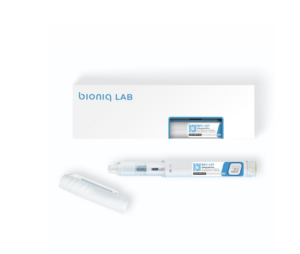
TB-500 is a synthetic peptide fragment derived from thymosin beta-4 (Tβ4), an endogenous protein (one naturally produced by the body) that is upregulated in response to tissue injury.
The active segment within TB-500 is the actin-binding domain of thymosin beta-4, and it is this segment that drives the compound’s primary research interest.
The mechanisms through which TB-500 is studied include the following.
Actin is a structural protein essential for cell shape, movement, and division. TB-500 promotes actin polymerisation (the assembly of actin filaments), which supports the structural reorganisation that cells undergo during tissue repair.
2. Cell migration
Research has examined TB-500’s role in recruiting progenitor cells (early-stage cells capable of differentiating into specialised tissue cells) to injury sites and enhancing the migration of cells into damaged tissue, both of which are essential processes in wound healing.
3. Anti-inflammatory effects.
The 2026 Rahman et al. review noted that preclinical studies and veterinary use have suggested benefit in tendon and muscle repair, with TB-500 demonstrating anti-inflammatory effects and proangiogenic activity.
4. Cytoskeletal repair.
TB-500 is studied for its effects on the cytoskeleton (the internal scaffolding that gives cells their structural integrity), with research examining how actin-related signalling influences cellular resilience and repair capacity.
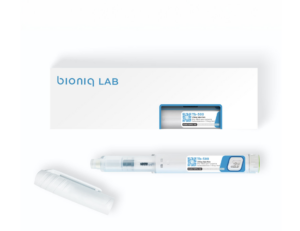
The research rationale for pairing BPC-157 and TB-500 comes down to two observations from the literature: the compounds share overlapping mechanisms in several areas, and they appear to address different but complementary aspects of the tissue repair process.
The 2026 Rahman et al. review noted directly that TB-500 demonstrates anti-inflammatory effects and proangiogenic activity that mirror those of BPC-157.
Both compounds are studied in relation to angiogenesis (the formation of new blood vessels, FAK signalling (signalling protein involved in cell adhesion, migration, and organisation of healing tissue, and anti-inflammatory activity.
Both BPC-157 and TB-500 are examined for their proangiogenic effects, meaning both are studied for roles in supporting the formation of new blood vessels that supply healing tissue.
Beyond their overlapping effects, the two compounds address different aspects of the repair process, which is what makes the pairing mechanistically interesting rather than simply redundant.
BPC-157 and the extracellular environment: BPC-157 research focuses heavily on the extracellular matrix (the structural network of proteins surrounding cells), collagen remodelling, and vascular signalling via the nitric oxide system.
These mechanisms relate primarily to restoring the structural environment in which cells operate.
TB-500 and the intracellular cytoskeleton: TB-500 research focuses more on intracellular processes: actin polymerisation, cellular migration, and cytoskeletal organisation.
These mechanisms relate to how individual cells move, restructure, and reorganise themselves during the repair process.
In short, BPC-157 and TB-500 address tissue repair from different structural levels simultaneously.
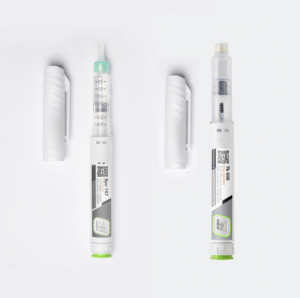
Understanding how BPC-157 and TB-500 are studied together, and what the mechanistic rationale behind their pairing involves, is a useful foundation for anyone engaging with this area of research.
If you would like professional guidance to the vast research of peptides, you can schedule a consultation with one of our Peptide Therapy specialists.
Schedule a personalised consultation today
BPC-157 is a synthetic 15-amino-acid peptide derived from a protein found in gastric juice, studied primarily for its effects on angiogenesis, collagen remodelling, nitric oxide signalling, and anti-inflammatory pathways. TB-500 is a synthetic fragment of thymosin beta-4, studied primarily for its effects on actin polymerisation, progenitor cell recruitment, and cellular migration. Both are examined in tissue repair research, but their primary mechanisms operate at different structural levels of the repair process.
The compounds share overlapping mechanisms in angiogenesis, anti-inflammatory activity, and FAK signalling, while also addressing complementary aspects of tissue repair. BPC-157 focuses primarily on the extracellular environment, including collagen remodelling and vascular signalling, while TB-500 focuses on intracellular mechanics, including actin polymerisation and cell migration.
Thymosin beta-4 (Tβ4) is an endogenous protein naturally produced by the body that is upregulated in response to tissue injury. TB-500 is a synthetic peptide fragment corresponding to the active actin-binding segment of thymosin beta-4. Research into TB-500 focuses on this segment specifically because it is the portion of the full protein most closely associated with the cellular migration, actin polymerisation, and tissue repair effects observed in thymosin beta-4 research.
The current evidence base for BPC-157 and TB-500 is predominantly preclinical, meaning it is largely derived from animal models and cell culture studies. The 2026 Rahman et al. review noted that while preclinical findings are promising, clinical trials in human populations remain limited. Any current use in human research protocols should be approached with appropriate professional oversight and with an understanding that the mechanistic rationale is more established than the clinical evidence base.
Both compounds are typically administered via subcutaneous or intramuscular injection. BPC-157 can also be taken orally for gastrointestinal purposes. Dosing protocols vary considerably across the existing literature, and professional guidance on protocol design is strongly recommended before beginning any research involving either compound.
Is the blend suitable for both acute injuries and chronic conditions?
The research into BPC-157 and TB-500 individually spans both acute injury models and longer-term tissue degradation contexts. BPC-157 has been studied in acute tendon and ligament injury models as well as in chronic overuse conditions. TB-500 has been examined in both wound healing and longer-term muscle and connective tissue research. Whether the blend is appropriate for a specific acute or chronic context depends on the specific profile and the nature of the tissue being investigated. A qualified practitioner is best placed to advise on this.
Written by Elizabeth Tito, BSc Genetics, MPH
Elizabeth is a science and medical writer specialising in peptide science, longevity medicine, mitochondrial health, metabolic optimisation and regenerative health research. With a BSc in Genetics and a Master’s in Public Health, she combines a strong scientific foundation with experience translating complex biomedical research into clear, clinically informed education for the Peptide Therapy and longevity medicine space. Her work is centred on interpreting emerging peptide, metabolic and longevity research with scientific accuracy, clinical awareness and a clear understanding of how these therapies are being discussed and applied in modern health optimisation.