
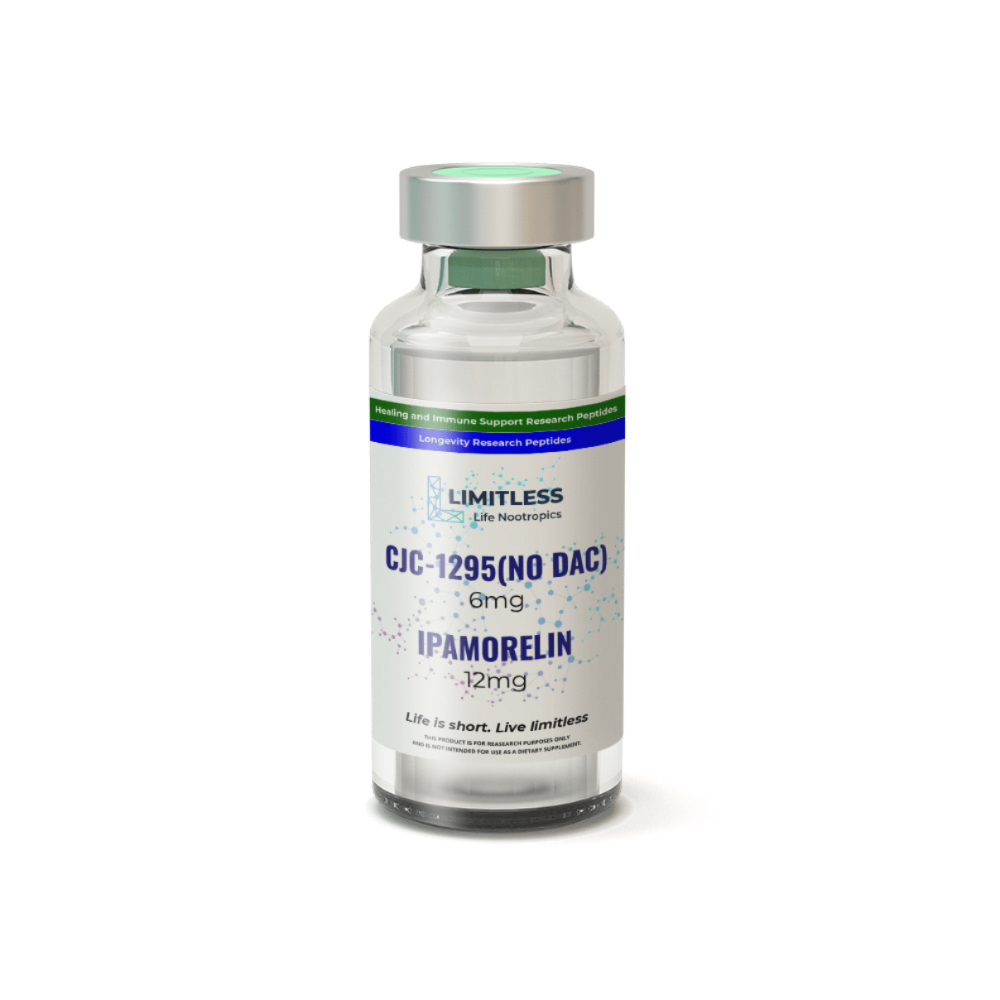
Stacking peptides: unlocking optimal results for muscle growth
In the pursuit of optimal physical performance and improved body composition, advancements in performance-enhancing strategies have garnered considerable attention. One such emerging strategy among athletes and bodybuilders is stacking peptides. Peptides, defined as short chains of amino acids, are increasingly recognised for their potential to enhance muscle hypertrophy, accelerate recovery, and promote fat reduction. When combined strategically, these compounds can produce synergistic effects that exceed the benefits of individual administration.
In addition to muscle development, peptides play crucial roles in regulating metabolism, enhancing cognitive performance, and maintaining overall physiological homeostasis. Their versatility makes them attractive not only to bodybuilders but also to individuals focused on longevity and health optimisation. Researchers continue to explore the potential of peptide therapy in clinical settings, such as in the treatment of growth hormone deficiencies and metabolic disorders, lending further credibility to their performance-enhancing applications.
What is stacking peptides?
Stacking peptides refers to the practice of concurrently utilising two or more distinct peptides to achieve specific performance or physiological outcomes. Analogous to the concept of anabolic steroid stacking, peptide stacking is designed to optimise efficacy while minimising adverse effects. The fundamental objective is to create a complementary interaction wherein the mechanisms of individual peptides enhance and support one another.
The primary goals of stacking peptides commonly include:
- Augmentation of muscle hypertrophy
- Reduction of adipose tissue
- Enhancement of musculoskeletal recovery
- Improvement of endurance capacity
- Mitigation of age-related physiological decline
Through careful selection and combination of peptides, users can tailor regimens to align with their individualised objectives.
Rationale behind peptide stacking
Although individual peptides can yield significant results, their concurrent use offers several distinct advantages:
- Enhanced efficacy: Certain peptides exhibit increased effectiveness when administered in combination. For instance, growth hormone secretagogues such as Ipamorelin and CJC-1295 may act synergistically to amplify endogenous growth hormone (GH) release.
- Comprehensive physiological targeting: One peptide may stimulate growth hormone (GH) release, while another enhances insulin-like growth factor 1 (IGF-1) activity or cellular repair processes. Stacking enables a broader physiological influence.
- Reduced risk of side effects: Administering lower dosages of multiple peptides can yield fewer adverse reactions compared to high doses of a single agent.
- Flexibility in goal setting: With an expanding variety of peptides available, users can design stacks that evolve with their training cycles, goals, and recovery phases.
Best peptide stack for muscle growth
Among the numerous outcomes targeted by peptide users, skeletal muscle hypertrophy remains the most paramount. The best peptide stack for muscle growth typically comprises growth hormone secretagogues, IGF-1 enhancers, and agents that facilitate recovery. A commonly employed and evidence-based stack includes:
- CJC-1295: A long-acting growth hormone-releasing hormone (GHRH) analogue that promotes sustained GH secretion.
- Ipamorelin: A growth hormone-releasing peptide (GHRP) that synergises with CJC-1295 to stimulate GH secretion with minimal impact on cortisol and prolactin levels.
- TB-500 and/or BPC-157: Peptides known to support musculoskeletal recovery, modulate inflammation, and facilitate tissue regeneration.
This peptide combination is frequently cited as the best peptide stack for muscle growth due to its capacity to elevate anabolic hormone levels, promote protein synthesis, and expedite recovery.
Additional considerations for stack composition
To further refine a muscle-building regimen, additional peptides may be incorporated:
- GHRP-6: Stimulates appetite and enhances GH secretion; particularly beneficial for individuals with difficulty achieving caloric surplus.
- PEG-MGF (Pegylated Mechano Growth Factor): Facilitates muscle repair and regeneration following mechanical stress.
- Follistatin 344: Functions as a myostatin inhibitor, removing a natural constraint on muscle growth.
Including peptides with secondary benefits such as improved sleep, mood regulation, or immune support may also provide indirect yet meaningful enhancements to overall progress.
Rotating or cyclically integrating these peptides can support continued progress and mitigate physiological adaptation.
Safety considerations and potential adverse effects
While peptides are generally regarded as having a favourable safety profile relative to anabolic steroids, appropriate administration and monitoring are imperative. Potential side effects include:
- Oedema or water retention
- Musculoskeletal discomfort
- Alterations in insulin sensitivity
- Localised injection site irritation
To mitigate risk:
- Initiate with conservative dosing strategies
- Obtain peptides from verified and reputable suppliers
- Conduct periodic laboratory assessments (e.g., IGF-1 levels, glucose tolerance)
- Implement cycling protocols to prevent desensitisation and hormonal dysregulation
- Maintain open communication with a healthcare professional, particularly for long-term users or individuals with pre-existing health conditions
Best practices for effective use of peptide stacks
For individuals new to stacking peptides, strategic planning is essential. Key considerations include:
- Cycle duration: Typical cycles range from 8 to 16 weeks, contingent upon individual response and goals.
- Injection timing: Night-time administration of peptides like CJC-1295 and Ipamorelin aligns with the natural circadian rhythm of GH release.
- Lifestyle integration: Nutritional adequacy, structured resistance training, and adequate recovery are indispensable for peptide efficacy.
- Outcome tracking: Systematic documentation of physical changes, training metrics, and side effects facilitates informed adjustments to ensure optimal performance.
- Education and research: Staying informed about the latest research and anecdotal feedback can help users fine-tune their stack over time.
Observed outcomes and empirical evidence
Anecdotal and preliminary clinical observations suggest that individuals engaged in peptide stacking often report:
- Significant gains in lean muscle mass within 6 to 8 weeks
- Reduced inter-session recovery time
- Amelioration of joint discomfort and enhanced mobility
- Improved sleep architecture and daytime alertness
- Increased motivation and workout consistency due to enhanced recovery and energy levels
While such outcomes are promising, they are subject to inter-individual variability and contingent upon adherence to best practices.
Individualised approach to the best peptide stack
Although the best peptide stack for muscle growth includes several foundational agents, optimal results are dependent on customisation based on the following parameters:
- Experience level: Novices may benefit from simplified protocols such as CJC-1295 combined with Ipamorelin.
- Goal specificity: Objectives such as fat loss, endurance enhancement, or anti-ageing necessitate distinct peptide combinations.
- Budgetary constraints: Peptides such as IGF-1 analogues may pose financial considerations.
- Health status: Pre-existing medical conditions necessitate personalised medical oversight.
- Training intensity and frequency: Higher intensity regimens may require more robust recovery support.
A tailored approach is more likely to yield sustainable and safe results.
Conclusion: evaluating the efficacy of peptide stacking
When implemented judiciously and supported by evidence-based lifestyle interventions, stacking peptides can represent a viable strategy for enhancing muscle growth, accelerating recovery, and improving body composition. As scientific understanding of peptide pharmacodynamics expands, these compounds may continue to play a central role in optimising human performance.
Individuals seeking to surpass performance plateaus or accelerate hypertrophic outcomes may consider investigating the best peptide stack for muscle growth. Nonetheless, all such endeavours should be undertaken under professional guidance, with careful attention to sourcing, dosing, and individual health status.
Ultimately, the best peptide stack is one that is aligned with the user’s goals, physiology, and commitment to a comprehensive performance enhancement strategy. Contact DN Research for your peptide research.