
What are the best peptides for Lyme Disease?
According to the Centers for Disease Control and Prevention (CDC), Lyme disease affects approximately 476,000 Americans annually, yet many continue to experience persistent symptoms long after standard antibiotic treatment, underscoring a need for adjunctive therapies.
Chronic conditions such as persistent infections, recurring inflammation and immune dysregulation can be difficult to manage with standard treatments alone.
Peptide Therapy may be a great adjunct to standard treatments by targeting key aspects of immune function and tissue repair.
One of the diseases where Peptide Therapy is becoming a topic of interest is Lyme disease.
Peptides have especially been a therapy of interest in cases where antibiotics alone cannot fully resolve the infection.
There are several peptides of interest with the potential to help immune response regulation, disrupt bacterial biofilms and promote tissue healing; all important factors for Lyme disease recovery.
Out of the many available options, identifying the most effective peptide for supporting Lyme disease recovery remains a key focus of ongoing research and clinical exploration.
What is Lyme Disease?
Lyme disease is an infection that is caused by the spiral-shaped bacterium, Borrelia burgdorferi.
Lyme disease is usually contracted by tick bites.
Early symptoms include fever, fatigue, rash and aching joints.
If left untreated, Lyme disease can progress to the chronic stage of infection which has more severe symptoms.
The infection spreads and becomes more systemic, affecting the heart, joints, the immune system and the nervous system.
Many individuals suffering from Lyme disease infection report that they still feel a few of the symptoms mentioned even after their full course of antibiotics.
This condition is termed as chronic Lyme disease or post-treatment Lyme disease syndrome (PTLDS).
Thymosin-Alpha 1 (TA-1) for Lyme Disease
Among the variety of peptides that could be used to treat Lyme disease, three stand out in particular:
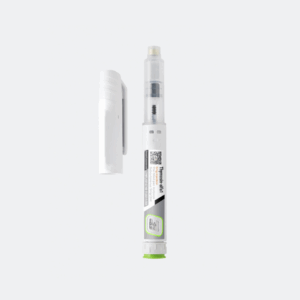
Thymosin Alpha-1 (TA-1)
- TA-1 is an immune system modulator.
- TA-1 works by enhancing the body’s ability to detect and fight off infections, especially post-acute symptoms.
- TA-1 has been shown to restore immune balance and calm inflammatory flare ups as seen in severe COVID-19 cases during infections.
LL-37 for Lyme Disease
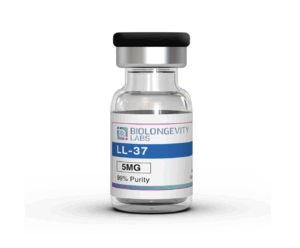
LL-37
- LL-37 is an antimicrobial peptide.
- LL-37 works by recruiting inflammatory cells, like macrophages, which engulf and destroy pathogens like B. burgdorferi.
- LL-37 also prevents bacteria from adhering to one another and forming biofilms which is a process seen in the causative bacteria in Lyme disease.
Thymalin for Lyme Disease
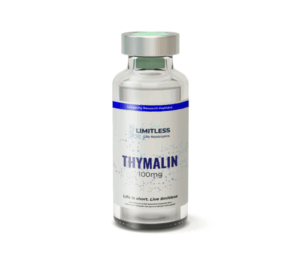
Thymalin
- Thymalin is an immunomodulatory (immune system adjusting) peptide.
- Thymalin has been studied with COVID-19 patients by Kuznik et al. (2021) for its ability to stimulate T-cell production and regulate cytokines (substances secreted from immune cells for signalling).
- This helps to regulate dysfunctional immune systems seen in many chronic infections.
- Thymalin may be especially useful in Lyme disease where long-term immune dysregulation is common.
These three peptides are able to target three of the main aspects of Lyme disease infection: bacterial persistence, immune dysregulation and tissue inflammation.
Comparing Peptide Treatments for Lyme Disease
TA-1
Structure:
- TA-1 is a 28-amino acid long peptide that is naturally produced by the thymus gland.
Mechanism of Action:
- TA-1 enhances immune cell maturation and their function. TA-1 also balances cytokine responses, specifically targeting and enhancing the immune system.
Therapeutic Applications:
- TA-1 can be used to treat chronic infections, autoimmune diseases and can be used for cancer immunotherapy.
Safety Profile:
- TA-1 is very safe for use, as shown in clinical trials. TA-1 has also been approved in several countries
Therapeutic Strength:
- TA-1 has high immunomodulatory power, meaning it is very effective at enhancing the immune response to infections like Lyme disease.
LL-37
Structure:
- LL-37 is a 37-amino acid long, positively charged antimicrobial peptide.
Mechanism of Action:
- LL-37 works by disrupting microbial membranes, inhibiting the formation of biofilms and by improving the immune response to infection.
Therapeutic Applications:
- LL-37 is effective against bacteria, viruses and fungi. This includes bio-film protected pathogens like B. burgdorferi.
Safety Profile:
- LL-37 is generally well tolerated, though mild injection site reactions can occur and it is not recommended for those with autoimmune conditions.
Therapeutic Strength:
- LL-37 has high antibacterial abilities and could be effective against Lyme disease, breaking down Lyme cysts and biofilm formed by B. burgdorferi.
Thymalin
Structure:
- Thymalin is a short peptide complex that is derived from the thymus gland.
Mechanism of Action:
- Thymalin works by regulating immune system activity, modulating cytokine production and promoting T-cell differentiation.
- Thymalin also helps to restore balance in haematopoietic (blood-forming) and lymphoid (white blood cell) tissue.
Therapeutic Applications:
- Thymalin can be used to support the restoration of immune responses, especially in age-related immune conditions, chronic infections and immune dysfunction.
- Thymalin could also help to reduce systemic inflammation and promote recovery in those who are immunocompromised.
Safety Profile:
- Thymalin is very safe and is currently used clinically in Russia and other parts of Eastern Europe.
- Minimal side effects have been reported.
Therapeutic Strength:
- Thymalin is a highly potent immunomodulatory (immune regulating) peptide, known for its ability to restore immune balance at a cellular level.
- Thymalin’s ability to regulate T-cell production and improve the function of important immune organs like the thymus and bone marrow make it a great candidate for treating conditions like Lyme disease.
Route of Administration
There are a few ways that these peptides can be administered.
TA-1 and LL-37 have been seen to be the most effective when given as a subcutaneous injection (into the fat just under the skin).
Thymalin can also be injected subcutaneously (into the layer of fat between the skin or the muscle) or it can be given via an intramuscular (into muscle) injection.
Clinical Approval and Current Regulations
TA-1 is clinically approved in several countries such as China, Argentina and Vietnam under the name Zadaxin and is used to treat viral infections and immune dysfunction.
LL-37 and Thymalin are currently not FDA-approved.
Frequently Asked Questions (FAQs)
Do peptides help with post-treatment Lyme disease syndrome (PTLDS)?
Yes, peptides may support recovery in PTLDS by helping regulate immune response, reduce inflammation, and promote tissue repair. While not a cure, they may ease lingering symptoms that persist after antibiotic treatment.
Are peptides safe for long-term use in Lyme disease management?
Yes. Many therapeutic peptides have excellent safety profiles, even with long-term use. However, it’s important to use them under medical supervision to monitor for rare side effects and ensure proper dosing.
Can peptides be used alongside antibiotics?
Yes. Peptides are often used in combination with antibiotics to improve infection control, reduce inflammation, and enhance immune function especially in chronic or treatment-resistant Lyme cases.
Can peptides help disrupt Lyme-related biofilms?
Yes. Certain peptides, such as LL-37, have shown activity against bacterial biofilms, which are protective layers that Lyme bacteria use to hide from antibiotics. This may improve the effectiveness of other treatments.
Do peptides also help with Lyme co-infections?
Some peptides have broad-spectrum antimicrobial or immune-modulating effects, which may offer additional support in managing co-infections like Babesia, Bartonella, or Ehrlichia that often accompany Lyme disease.
Can peptides reduce inflammation caused by Lyme disease?
Yes, many peptides have anti-inflammatory properties that help calm chronic inflammation, a key driver of symptoms in Lyme disease. This can support tissue healing and reduce pain and fatigue.
Are peptides effective for both early and chronic Lyme disease?
Peptides can be beneficial at various stages, helping to boost immune response in early infection and supporting immune regulation and tissue repair in chronic or persistent Lyme cases.
How long does it take to see results with peptides?
Some users report symptom relief within weeks, but full benefits are typically seen after working with a clinician on a specific plan tailored to your needs.
Are peptides suitable for everyone with Lyme disease?
Peptides are generally safe but may not be appropriate for individuals with certain autoimmune disorders or allergies. A qualified clinician should assess suitability based on the individual’s health status and medical history.
Is Thymalin different from TA-1 in treating Lyme disease?
Yes. While both support the immune system, Thymalin focuses on restoring immune balance at the stem cell level and regenerating thymic function. TA-1 boosts immune defense by activating existing T-cells.
What are the most common side effects?
Mild injection site irritation can occur. Rare side effects may include fatigue or temporary blood pressure changes. Overall, peptides used for Lyme disease are considered safe and well-tolerated.
What to Know Before Purchase
When sourcing these peptides, it’s essential to look for:
- Third-party testing for purity and consistency
- U.S.-based manufacturing standards
- Reliable delivery
DN Lab Research meets all these criteria, offering high-quality peptides backed by transparency, compliance, and efficient service.
Peptides like TA-1, LL-37 and Thymalin pose a strong adjunct to use alongside traditional Lyme disease treatments with their immune, regenerative and antimicrobial qualities.
Any of these peptides could be used to support those on their Lyme disease recovery journey.
The most effective peptide approach for Lyme disease is dependent on your specific symptoms, immune status and your comorbidities.
Looking to strengthen your immune system, fight against persistent infections or support full-body recovery?
Schedule a consultation with one of our Peptide Therapy specialists for personalised guidance and support tailored to your Lyme disease recovery journey.
Written by Elizabeth Sogeke, BSc Genetics, MPH
Elizabeth is a science and medical writer with a background in Genetics and Public Health. She holds a BSc in Genetics and a Master’s in Public Health (MPH), with a focus on mitochondrial science, metabolic health, and healthy aging. Over the past several years, she has worked with leading peptide research laboratories and functional medicine clinics, creating trusted, clinically-informed content that bridges the latest developments in peptide and longevity research with real-world applications.