
Women’s physiology involves a set of hormonal and biological processes that shift considerably across different life stages.
From the mid-thirties onward, these shifts begin to influence several interconnected systems simultaneously, including skin biology, connective tissue integrity, sleep regulation, stress resilience, and cognitive function.
Research into women’s health peptides has grown alongside a broader interest in how specific compounds interact with these systems at a mechanistic level.
The focus of this research remains on understanding the biological pathways involved and how peptides may relate to them.
Skin biology is one of the most active areas of peptide research in the context of women’s health, with particular attention to the role of collagen synthesis and extracellular matrix (the structural network of proteins that gives skin its integrity and firmness) as hormonal changes progress with age.
GHK-Cu is a naturally occurring copper-binding tripeptide that has been studied extensively in relation to skin biology.
Research has examined its role in collagen synthesis, wound healing mechanisms, and the regulation of genes involved in skin repair and remodelling.
A study published in 2023 examined GHK-Cu’s relationship to collagen IV, a protein integral to the structural anchoring of skin layers, finding that GHK-Cu was associated with its production.
Research interest in GHK-Cu extends to its role in oxidative stress modulation (the regulation of unstable molecules that can cause cellular damage) and tissue remodelling more broadly.
GHK-Cu research extends beyond injectable formulations to topical applications also.

Connective tissue research is another area where peptides have attracted sustained scientific interest, particularly in relation to tendon, ligament, and musculoskeletal integrity.
Gastrointestinal mucosal research represents a related area of investigation, given the structural similarities in the tissue types involved.
BPC-157 (Body Protective Compound 157) is a synthetic peptide derived from a protein found in gastric juice.
Research has examined its role in tendon and ligament repair mechanisms, angiogenesis (the formation of new blood vessels to support healing tissue), and gastrointestinal mucosal integrity.
A 2025 study by Matek et al., investigated BPC-157’s role in the context of muscle-to-bone reattachment, examining the cellular and molecular mechanisms involved in tissue repair following injury.
BPC-157 is studied in oral form, particularly in research relating to gastrointestinal pathways, and via subcutaneous injection in research focused on connective tissue mechanisms.

Cellular ageing research explores the biological mechanisms through which cells accumulate damage over time and the compounds that may influence these pathways.
Neuroendocrine regulation (the interaction between the nervous system and the hormonal system) is a related area of interest, particularly in the context of sleep and circadian rhythm (the body’s internal 24-hour biological clock).
Epitalon is a synthetic tetrapeptide that has been studied in relation to telomerase activity (the enzyme involved in maintaining telomere length, the protective caps on the ends of chromosomes) and pineal gland function.
The pineal gland regulates melatonin production, which in turn influences circadian rhythm and sleep architecture.
You can read further research, starting with a 2022 study which examined Epitalon’s effects on cellular oxidative stress markers (indicators of cellular damage caused by unstable molecules) in the context of reproductive cell ageing, finding associations with reduced oxidative stress and improved cellular function markers.

Stress biology and cognitive function is another interesting area, particularly with attention to how compounds may modulate stress response pathways and support neurotrophic signalling (the biological signals that support the growth and maintenance of neurons) without producing the dependency or sedation associated with conventional pharmacological approaches.
Selank is a synthetic heptapeptide studied in relation to GABAergic modulation (the regulation of GABA, the brain’s primary inhibitory neurotransmitter that plays a central role in managing the stress response) and its downstream effects on cognitive function and emotional regulation.
A 2018 study by Vyunova et al., examined the molecular mechanisms underlying Selank’s anxiolytic (anxiety-reducing) effects.
The researchers found that Selank interacts with GABA receptor pathways through a distinct mechanism compared to conventional anxiolytic drugs, producing prolonged effects without the dependency or cognitive impairment associated with standard pharmacological options.
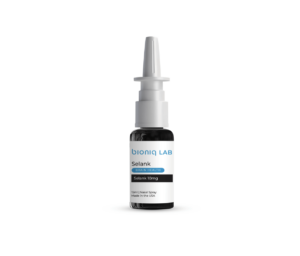
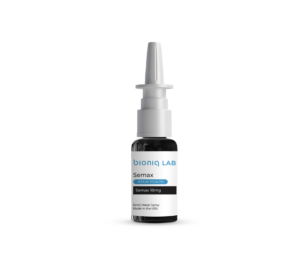
Semax is a synthetic peptide derived from ACTH (adrenocorticotropic hormone) and studied primarily in relation to its effects on BDNF (brain-derived neurotrophic factor, a protein that supports the growth and maintenance of neurons) and NGF (nerve growth factor, a protein involved in the survival and maintenance of specific neuronal populations).
A 2021 study published in the International Journal of Molecular Sciences examined Semax’s effects on brain protein expression in an animal model of ischemia-reperfusion injury (a model used to study conditions of reduced blood flow followed by restoration).
The findings pointed to measurable effects on proteins associated with neuroprotection and neuronal survival.
The peptides discussed above represent active areas of scientific investigation relevant to women’s health biology.
It is important to note that much of the research in this space is preclinical or early-stage, and the translation of findings from animal models to human applications requires careful consideration.
The biological systems these peptides are studied in relation to, including skin integrity, connective tissue, sleep regulation, stress resilience, and cognitive function, are interconnected.
Hormonal changes that occur from the mid-thirties onward can influence several of these systems simultaneously, which is part of why women’s health peptide research has become an increasingly active and multidisciplinary field.
As with all research-stage compounds, professional consultation before beginning any peptide protocol is strongly advisable. Individual health context, existing medications, and specific goals should all inform the design of any protocol.
Understanding how vast the peptide research area is can be largely overwhelming.
Our Peptide Therapy experts offer 1:1 consultations, which can help you navigate the research and understand what is relevant to your interests.
Schedule your personalised consultation
Peptides are short chains of amino acids that interact with highly specific biological pathways, which makes them useful research tools for investigating targeted mechanisms rather than broad systemic effects. In the context of women’s health research, where hormonal shifts influence several interconnected biological systems simultaneously, peptides offer researchers a way to examine individual pathways, such as collagen synthesis, neuroendocrine regulation, or neurotrophic signalling, with a degree of specificity that broader compounds do not always allow.
Measurement approaches vary depending on the biological pathway being studied. In skin and tissue research, markers such as collagen protein expression and cellular repair activity are commonly assessed. In cellular ageing research, telomere length and oxidative stress markers are frequently used. In neuroscience-focused studies, researchers examine protein expression associated with neuronal survival and growth factor activity. Across all areas, findings are typically measured against control groups and assessed for statistical significance before conclusions are drawn.
Preclinical research refers to studies conducted in laboratory or animal model settings before human clinical trials. Much of the peptide research referenced here falls into this category. Preclinical findings provide important mechanistic insights and inform the direction of future clinical research, but they should not be directly extrapolated to human outcomes without appropriate scientific scrutiny and professional guidance.
No. Each of these peptides is studied across both male and female subjects in the existing research literature. The framing here reflects the specific biological context of hormonal changes in women from the mid-thirties onward, which makes these research areas particularly relevant to this population, rather than any compound being exclusively designed for women.
The most appropriate starting point is a consultation with a qualified practitioner who is familiar with both the research literature and the individual’s health context. Given that these compounds are research-stage and that individual response varies considerably, professional oversight is an essential part of any responsible approach to peptide research.