What are peptides?
Peptides are small chains of amino acids, the building blocks of proteins. The body naturally produces many types of peptides, including insulin, which regulates blood sugar. Scientists have also created synthetic peptides in laboratories as potential treatments for various health conditions.
Peptides like GLP-1 receptor agonists and a combination of GLP-1 and GIP receptor agonists were initially developed to treat type 2 diabetes, but were found to also aid in weight loss. Some peptides, like ipamorelin, GHRP-2, and CJC-1295, stimulate the release of human growth hormone (HGH) in your body, which may help with fat loss and increase muscle mass.
How peptides work for weight loss
Weight management is regulated by a complex network of hormones that influence appetite, satiety, blood sugar and energy balance. One of the best-known peptide pathways is GLP-1 (glucagon-like peptide-1), a naturally occurring hormone involved in signalling fullness after eating and regulating glucose metabolism.
Research into GLP-1 has transformed the field of weight management, but it is only one part of peptide science. Researchers are also studying other peptide pathways involved in metabolism, growth hormone signalling, energy expenditure and body composition to better understand how the body regulates weight.
Peptides studied in weight management research (research only)
While medications like Ozempic, Wegovy, and Zepbound are making headlines, other peptides may also help with weight loss and overall health. Here are some of the best peptides for weight loss in our peptides shop that have shown promising results in clinical trials and real-world applications:
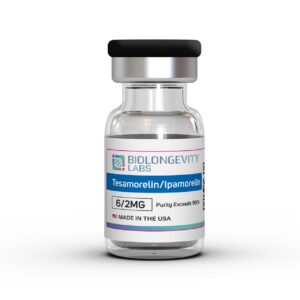
Tesamorelin
Tesamorelin is a synthetic analogue of growth hormone-releasing hormone (GHRH). It has been studied in clinical research for its effects on growth hormone signalling and body composition, particularly visceral adipose tissue (VAT).
Research involving Tesamorelin has explored:
- Growth hormone signalling.
- Visceral adipose tissue (VAT).
- Body composition and metabolic health markers.
Tesamorelin remains one of the better-studied peptides within body composition research, although its evidence base differs from many experimental research peptides.
Ipamorelin
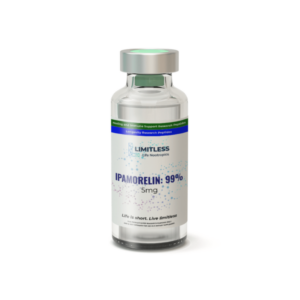
Ipamorelin is a growth hormone secretagogue that has been studied for its interaction with the ghrelin receptor and its ability to stimulate growth hormone release.
Research into Ipamorelin has explored:
- Growth hormone signalling.
- Metabolic regulation.
- Body composition and recovery pathways.
Its selective mechanism has made it a subject of ongoing research in growth hormone biology and metabolism.
CJC-1295
CJC-1295 is a modified growth hormone-releasing hormone (GHRH) analogue designed to extend the activity of the natural hormone.
Research has investigated CJC-1295 for:
- Growth hormone signalling.
- Endocrine regulation.
- Metabolic and body composition research.
Its longer half-life has made it a commonly studied peptide in research involving sustained growth hormone release.
GHRP-2
GHRP-2 is a growth hormone-releasing peptide that stimulates the secretion of growth hormone through the ghrelin receptor pathway.
Research involving GHRP-2 has focused on:
- Growth hormone release.
- Appetite signalling pathways.
- Metabolic and endocrine function.
GHRP-2 is primarily studied for its effects on hormonal signalling rather than as a standalone weight management intervention.
What does current research tell us?
Research into peptides and weight management is growing rapidly, but the strength of evidence varies considerably between compounds.
Current research includes studies on:
- Appetite regulation.
- Glucose metabolism.
- Energy balance.
- Growth hormone signalling.
- Body composition.
Some peptide-based medicines have extensive human clinical evidence, while many other peptides remain investigational or are supported primarily by early-stage or preclinical research.
Tesamorelin vs Ipamorelin: What’s the difference?
Although both peptides are studied in body composition research, they act through different biological pathways.
| Tesamorelin |
Ipamorelin |
| GHRH analogue |
Growth hormone secretagogue |
| Studied for growth hormone signalling and visceral adipose tissue |
Studied for ghrelin receptor signalling and growth hormone release |
| Includes human clinical research in specific indications |
Primarily studied across metabolic and endocrine research pathways |
The future of peptide research in weight management
Weight management remains one of the fastest-growing areas of peptide research. Advances in GLP-1 science have increased interest in how peptide hormones regulate appetite, metabolism and body composition, while researchers continue to investigate a broader range of peptide pathways involved in metabolic health.
As research evolves, it’s important to distinguish between clinically established peptide-based medicines and peptides that remain investigational.
DN Lab Research supplies peptides for laboratory research purposes only and does not provide medical advice, treatment recommendations or guidance for human use.
Legal Disclaimer
This product is sold as a pure compound for research purposes only and is not meant for use as a dietary supplement. Please refer to our terms and conditions prior to purchase.
Safety Information: Keep this product out of the reach of children. This material has limited research available about it and may result in adverse effects if improperly handled or consumed. This product is not a dietary supplement but a pure substance, sold as a raw material. Limitless Biotech (formerly known as Limitless Life Nootropics) attests exclusively to the quality, purity, and description of the materials provided. This product is for use and handling only by persons with the knowledge and equipment to safely handle this material. You agree to indemnify us for any adverse effects that may arise from improper handling and/or consumption of this product.
The articles and information on products that may be found on this website are provided exclusively for the purposes of providing information and education. These items are not pharmaceuticals or medications, and the Food and Drug Administration has not given permission for the treatment or prevention of any disease, medical condition, or ailment using them.
Read more about: